

Internal hard disks are the backbone of modern computing, serving as a crucial storage solution for countless digital files and applications. https://www.harddiskprice.in/collections/internal-hard-disk power our devices, storing everything from treasured memories to important work documents. Understanding the complexities of internal hard disks can empower users to make informed choices about their data storage needs and optimize their systems for better performance and reliability.
As we delve deeper into the mechanics and functionalities of internal hard disks, we uncover the secrets that keep our data secure and accessible. From the spinning platters that read and write information to the advanced technologies that enhance speed and efficiency, internal hard disks represent a captivating intersection of engineering and innovation. By unlocking these secrets, users can turn their storage devices into impenetrable fortresses for their most valuable information.
Understanding Internal Hard Disk Structure
An internal hard disk is a complex yet fascinating device that serves as the primary storage medium in many computing systems. At its core, it consists of several key components that work together to store and retrieve data effectively. The essential parts of an internal hard disk include platters, which are circular disks coated with magnetic material, write/read heads that float above the platters, and an actuator mechanism that moves the heads to the correct track on the disk. This intricate assembly allows for the rapid access and organization of data.
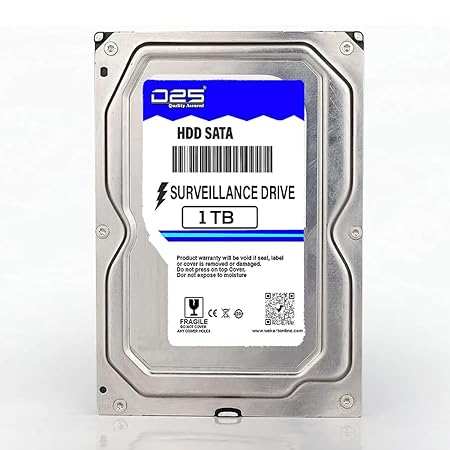
The platters are stacked on a spindle, and each platter has two surfaces that can store data. The data is written onto the disks in concentric circles termed tracks, with each track divided into smaller units called sectors. This organization enables efficient data retrieval and optimization of space on the disk. As data is written and read, the heads must precisely position themselves over the correct track and sector, a process that is made possible through the advanced technology of the actuator arm.
Additionally, the hard disk is enclosed in a protective casing that shields it from dust and physical damage. This casing also is designed to regulate airflow within the disk, which is critical for cooling and ensuring the longevity of the components. The combination of high-precision engineering and sturdy construction makes the internal hard disk not only a data storage solution but also a resilient fortress for your valuable information.
The Importance of Data Security
In today's digital landscape, the security of data stored on internal hard disks is more crucial than ever. With an increasing number of cyber threats and data breaches, protecting sensitive information is a top priority for individuals and businesses alike. Internal hard disks, as the primary storage devices in computers, hold critical files, documents, and personal data that, if compromised, can lead to significant consequences. Ensuring the integrity and confidentiality of this data is essential for maintaining privacy and preventing unauthorized access.
The mechanisms for securing data on internal hard disks have evolved over time, offering various methods to enhance protection. Encryption is one of the most effective strategies, as it transforms data into unreadable gibberish unless the user has the correct decryption key. This provides a robust layer of security against potential hackers. Additionally, implementing strong passwords and access controls can help restrict who can view or manipulate the data stored on these disks. Regular updates to security software and firmware are also vital in keeping systems fortified against emerging vulnerabilities.
Furthermore, having a backup strategy is an integral part of data security on internal hard disks. Accidental deletions, hardware failures, or even ransomware attacks can result in irreversible data loss. By regularly backing up data to external drives or cloud storage, users can ensure they have a recovery plan in place. This not only mitigates the risk of losing valuable information but also provides peace of mind knowing that one’s data is safe and retrievable in case of unforeseen events.
Tips for Hard Disk Maintenance
To ensure your internal hard disk operates efficiently, regular maintenance is essential. Start by regularly checking your disk for errors using built-in tools like Check Disk for Windows or Disk Utility for macOS. These tools can identify and fix potential issues before they become serious problems. Scheduling these checks every few months will help keep your hard drive running smoothly and prolong its lifespan.
Another important aspect of maintenance is keeping your internal hard disk free of unnecessary clutter. Regularly deleting old files, uninstalling unused programs, and emptying the recycle bin can help optimize your disk space and improve performance. Additionally, consider using disk cleanup utilities that come with your operating system to streamline the process and remove temporary files that accumulate over time.
Lastly, consider the physical environment where your hard disk operates. Ensure that https://www.harddiskprice.in/category/hard-disk-wiki is well-ventilated to prevent overheating, which can lead to hardware failure. Dust can also be a significant enemy, so regularly clean the inside of your computer case and ensure that the hard disk is securely mounted. Taking https://www.harddiskprice.in/collections/sata-ssd will help maintain your internal hard disk in top condition and protect your valuable data.